






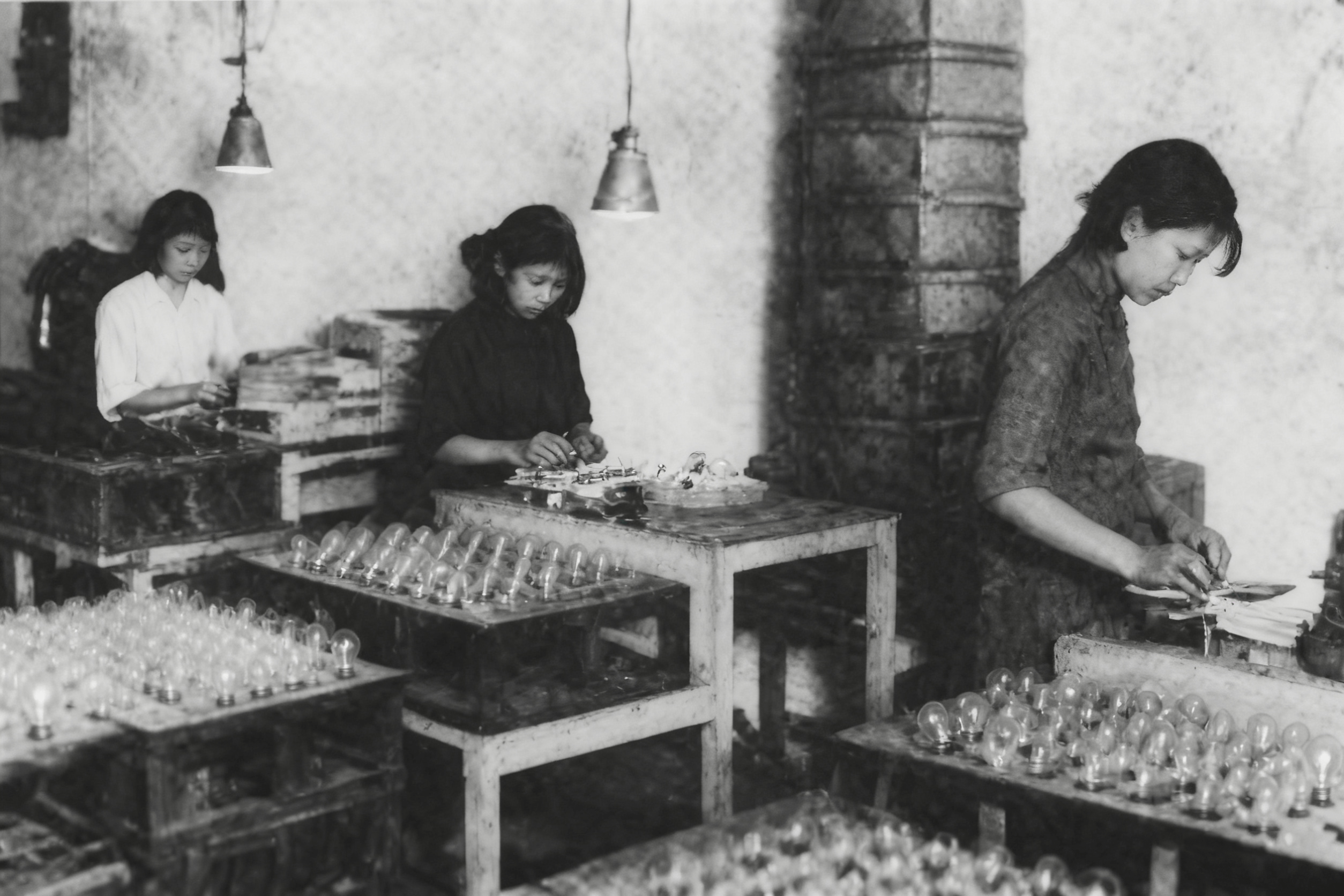
Under the initiative of the Foshan Municipal Government, the predecessor of Foshan Lighting—the State-owned Foshan Light Bulb Factory—was established, marking the beginning of a glorious journey of perseverance and pioneering spirit. Within a month of its founding, the factory successfully produced its first batch of light bulbs, named the “Yuejin” brand, ushering in a historic chapter in Foshan's electric light source manufacturing.
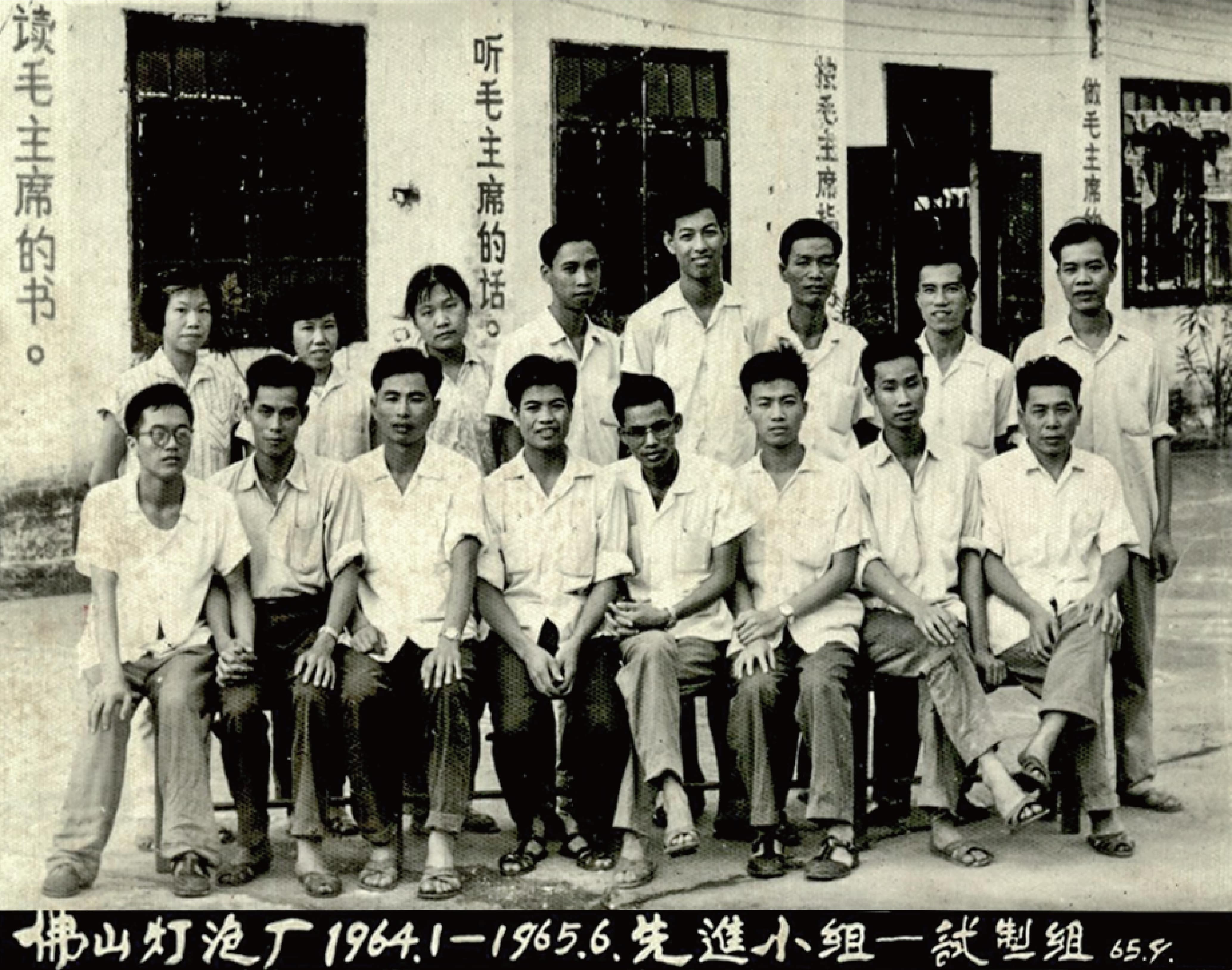
Production of high-pressure mercury fluorescent lamps, iodine-tungsten lamps, and long-arc xenon lamps was included in the national plan. That year, a total of 2.12 million light bulbs were produced, with product technical specifications reaching nationally advanced levels.
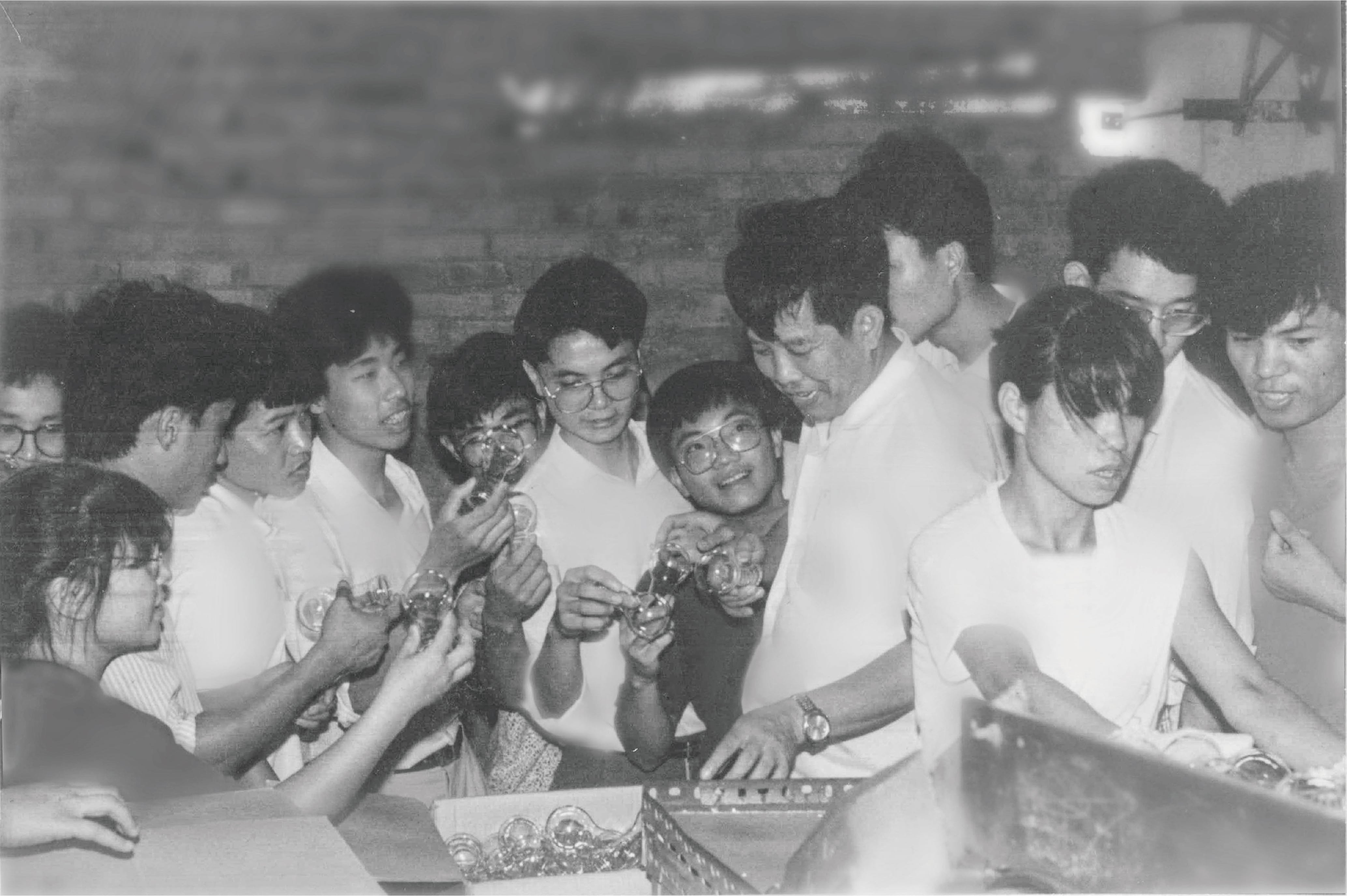
From 1979 to 1985, over a span of six years, Foshan Lighting's production volume grew rapidly at an average annual rate of 50%, while profits doubled year after year.
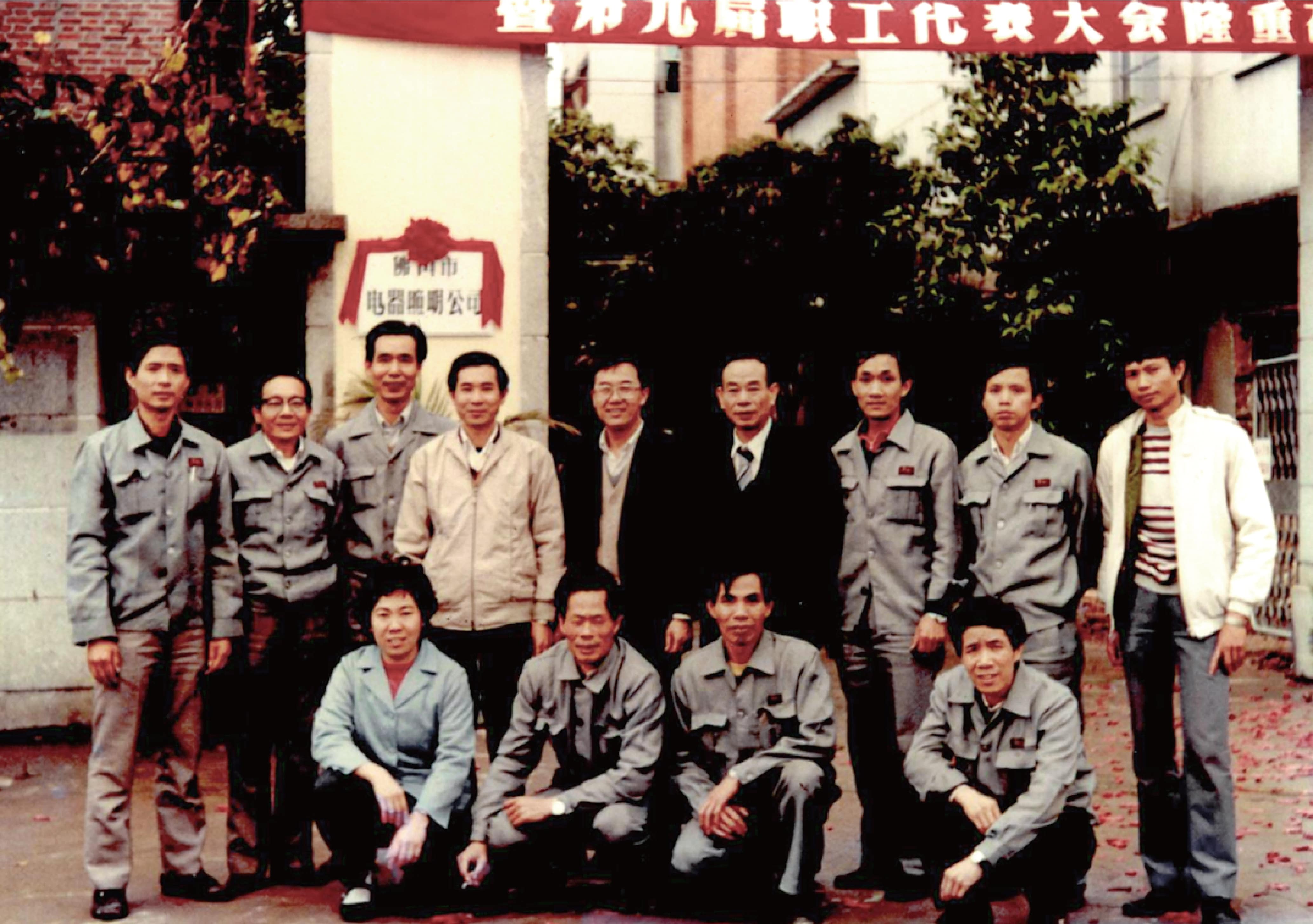
The company's operational efficiency reached the advanced level of the national industry, earning commendation from the former Ministry of Light Industry.
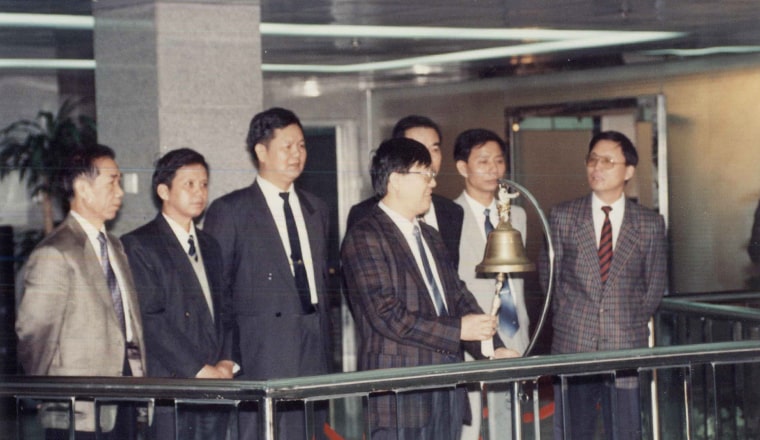
Constructed 70 standard bulb production lines at the Nanhai Wuzhuang base, achieving an annual output of 400 million standard bulbs. This established it as China's largest incandescent lamp production base at the time. In November of that year, the company successfully listed on the Shenzhen Stock Exchange, becoming one of the first listed companies in China's lighting industry.
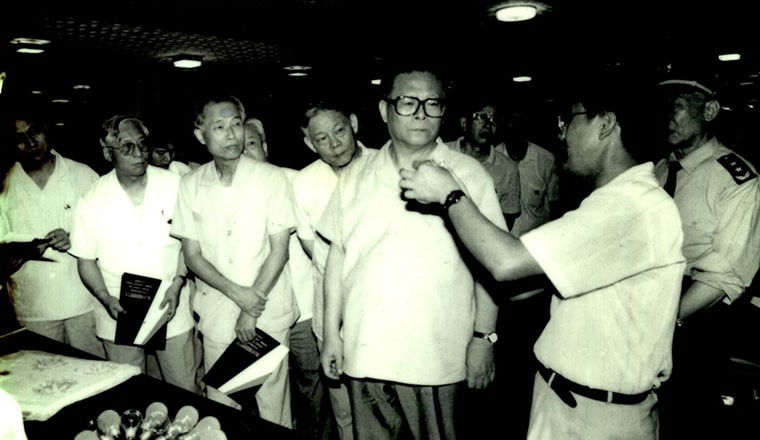
Jiang Zemin, then General Secretary of the CPC Central Committee, inspected Foshan Lighting. Comrade Zhong Xintai, then Chairman and General Manager of the company, briefed General Secretary Jiang on the company's current status and future prospects. Starting in 1994, the company ranked first nationwide in its industry for three consecutive years in terms of product sales, total profits, and export earnings, earning it the industry title of “China's Lighting King.”
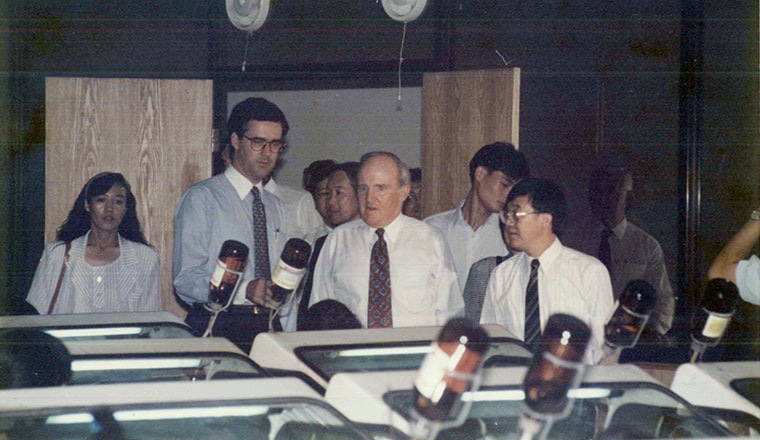
Mr. Jack Welch, then-CEO of General Electric (GE) and named “Manager of the Century” by Fortune magazine, visited Foshan Lighting for guidance.
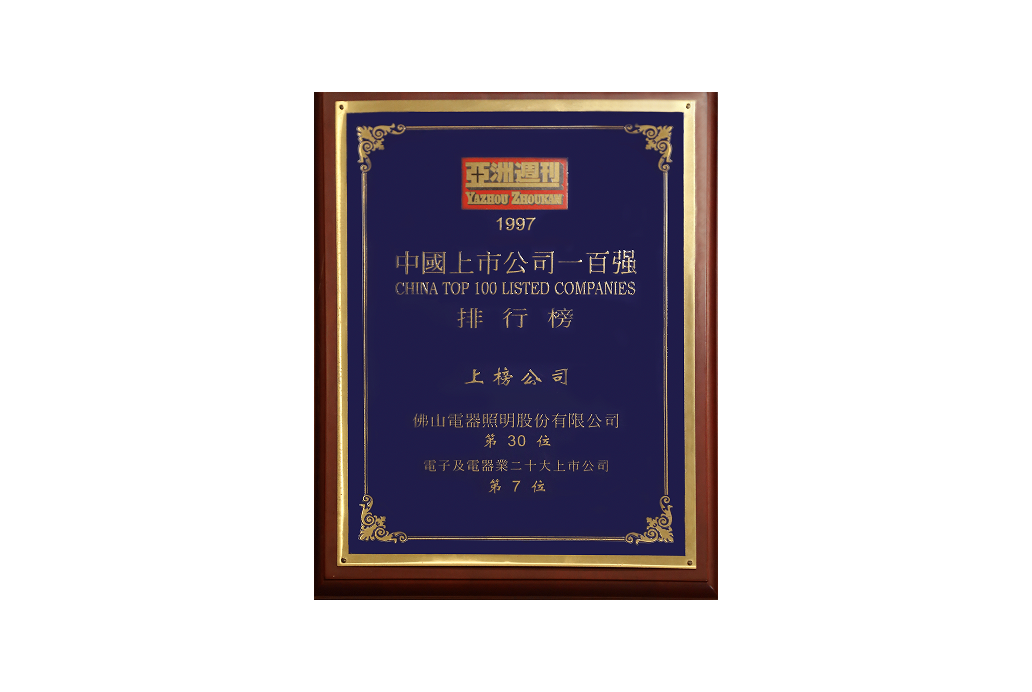
In 1997, the company was named one of “China's Top 100 Listed Companies” by Hong Kong's Asia Weekly.
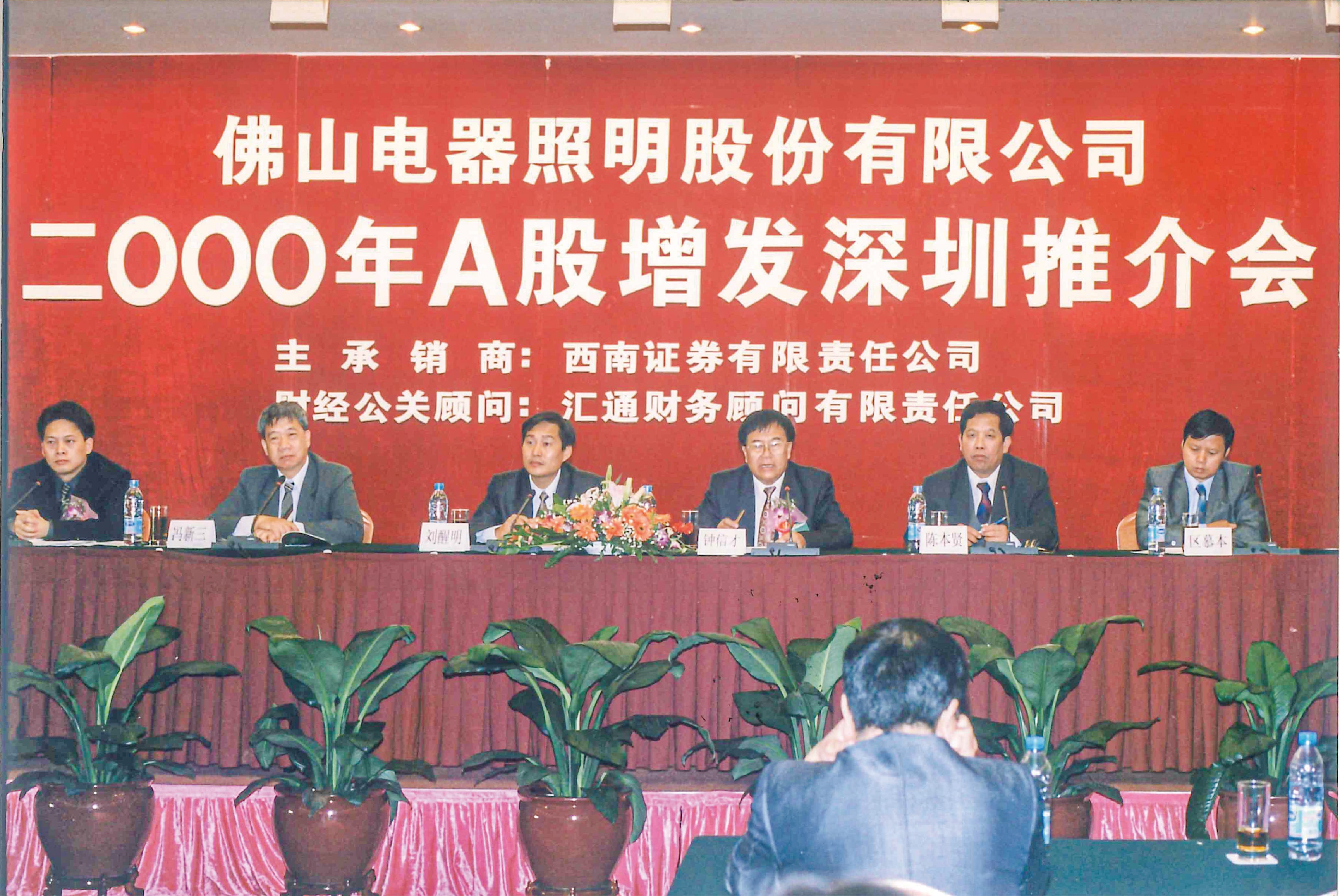
In 2000, with approval from the China Securities Regulatory Commission, Foshan Lighting issued an additional 55 million A-shares. The proceeds were primarily allocated to investing in green lighting development, expanding light bulb production capacity, and enhancing infrastructure.
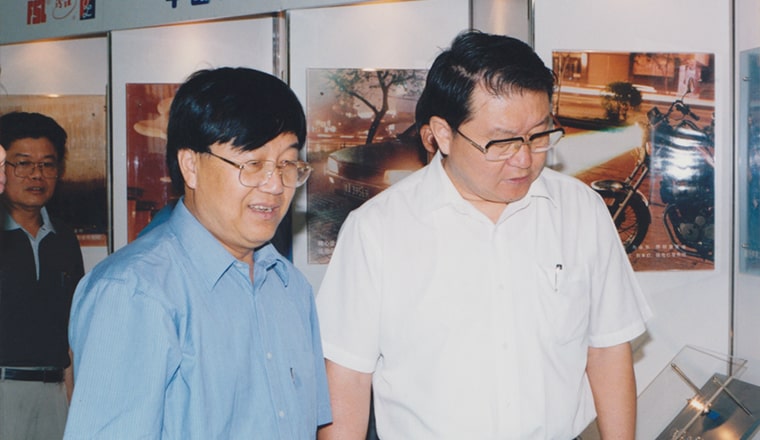
Li Changchun, then a member of the Political Bureau of the CPC Central Committee and Secretary of the Guangdong Provincial Party Committee, visited Foshan Lighting for an inspection tour.
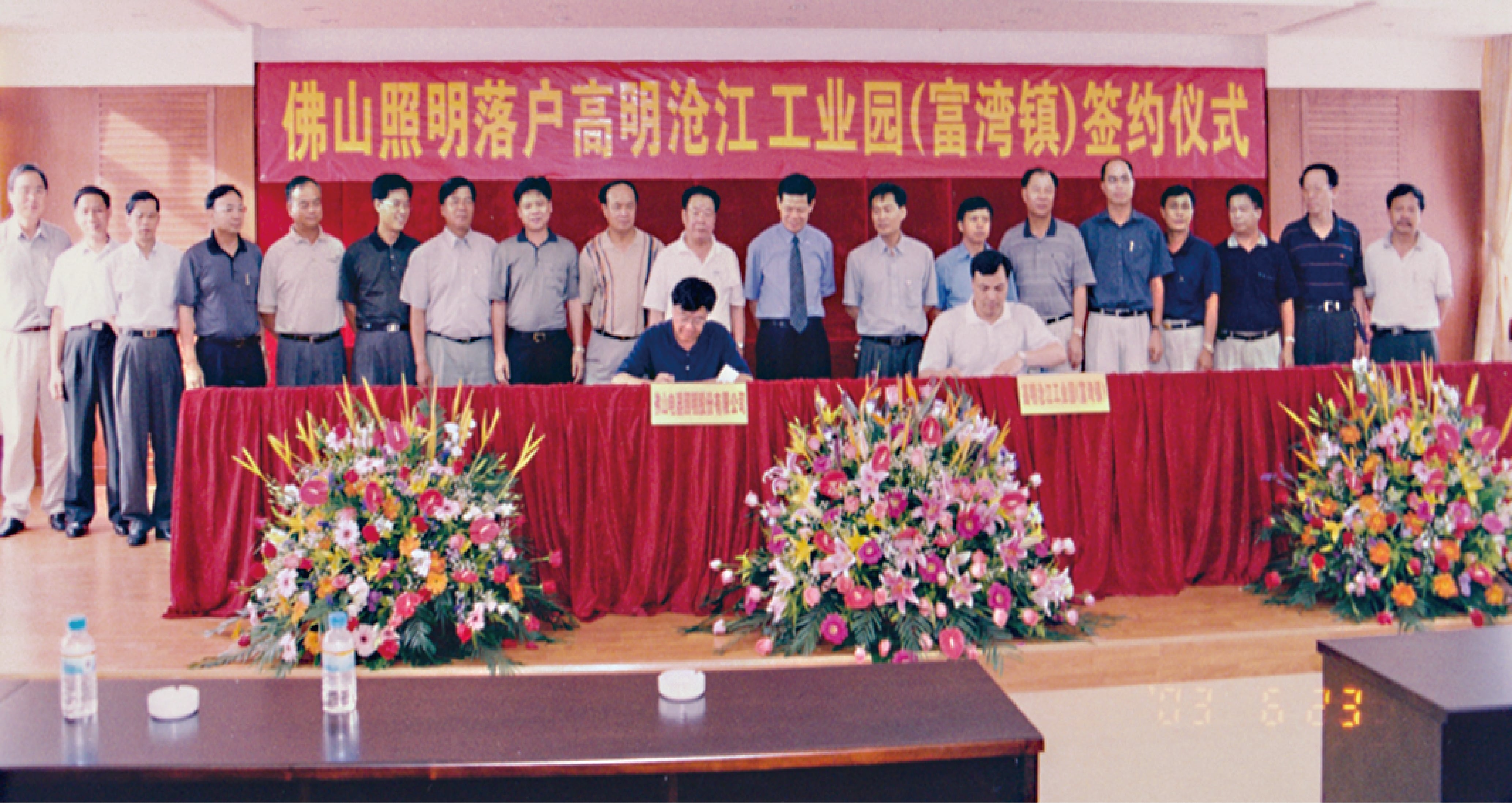
Invested 600 million yuan to establish a production base in Gaoming, Foshan, constructing 30 T8 fluorescent lamp production lines and 7 T5 fluorescent lamp production lines. This became the largest fluorescent lamp production base in the Asia-Pacific region at the time.
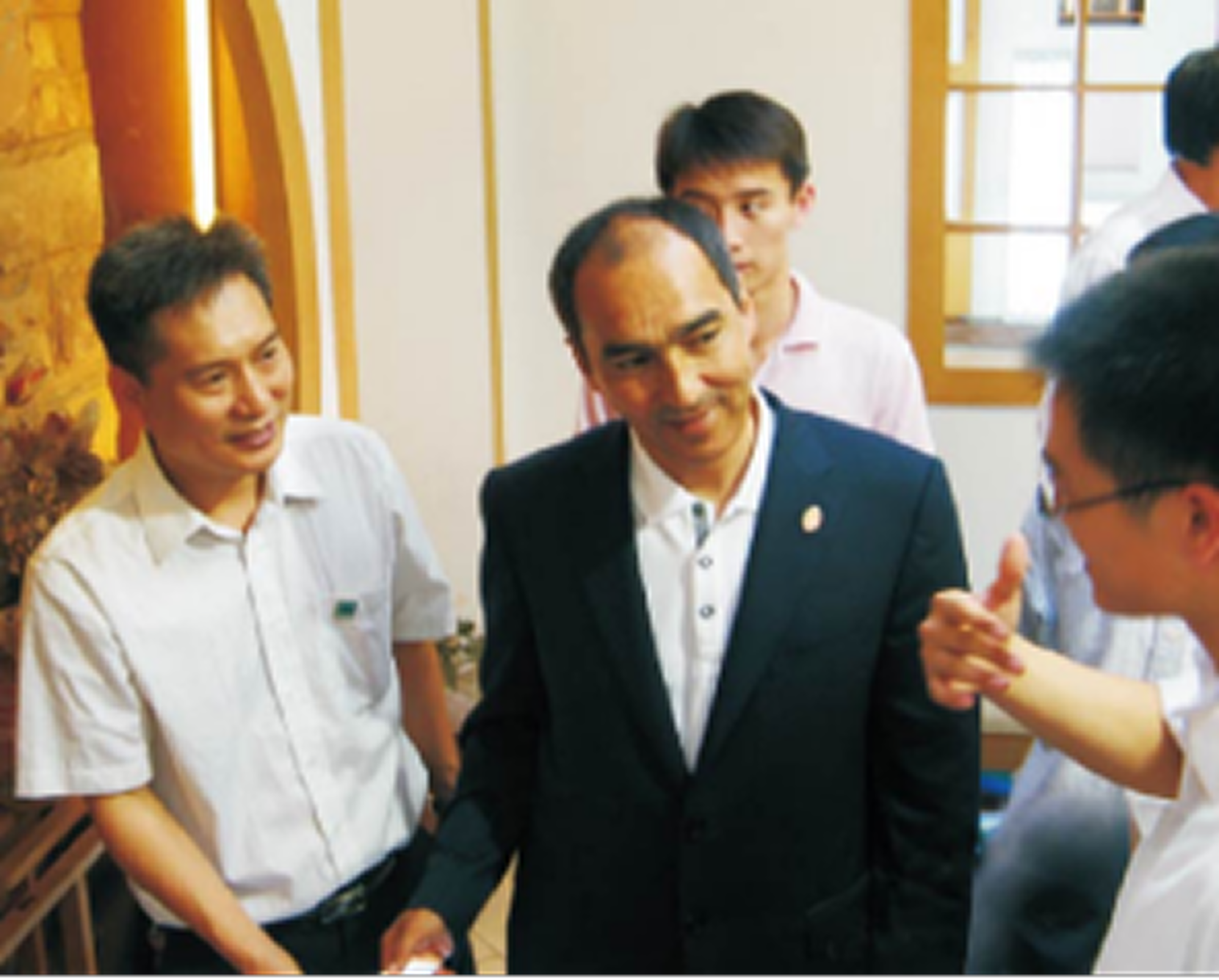
Liu Xingming, then General Manager of Foshan Lighting, hosted United Nations procurement officials.
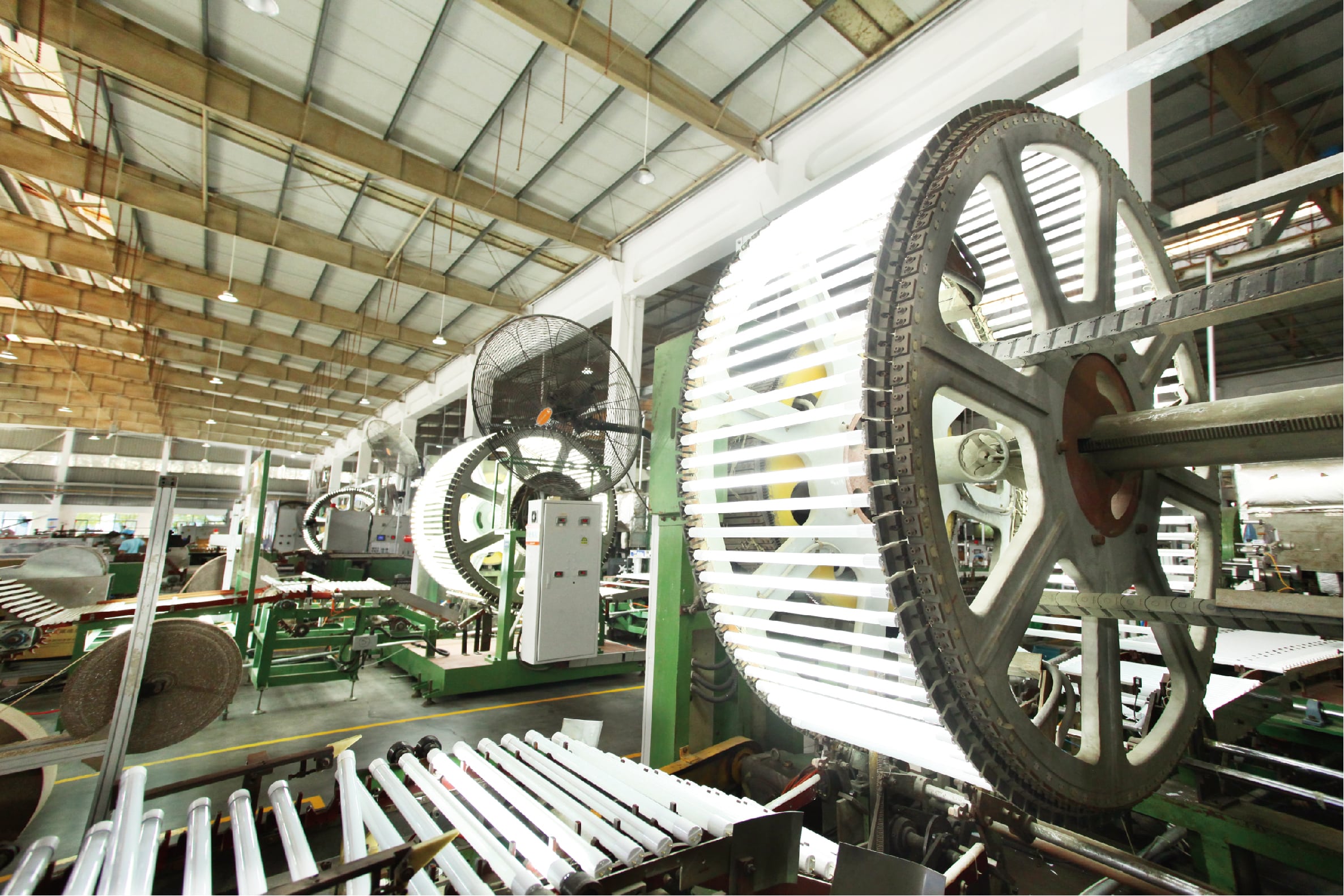
Successively launched the patented LED T8 all-glass tube and multiple specifications of LED bulb lamps, seizing the initiative in the transition to LED technology.
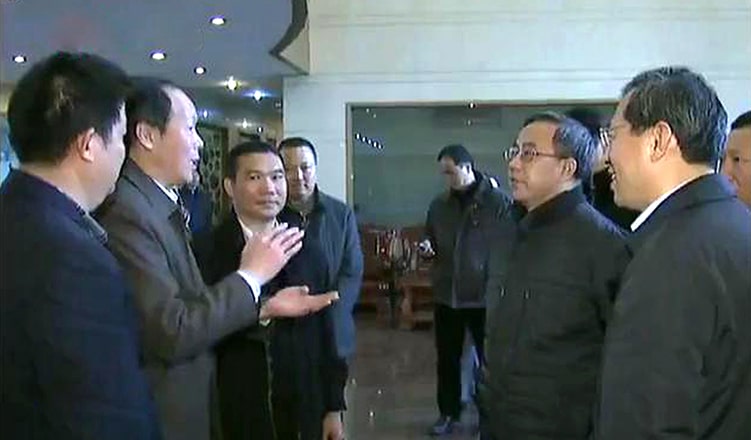
Hu Chunhua, then a member of the Political Bureau of the CPC Central Committee and Secretary of the Guangdong Provincial Party Committee, visited and conducted research at the Wuzhuang Branch Factory of Foshan Lighting in Nanhai District.
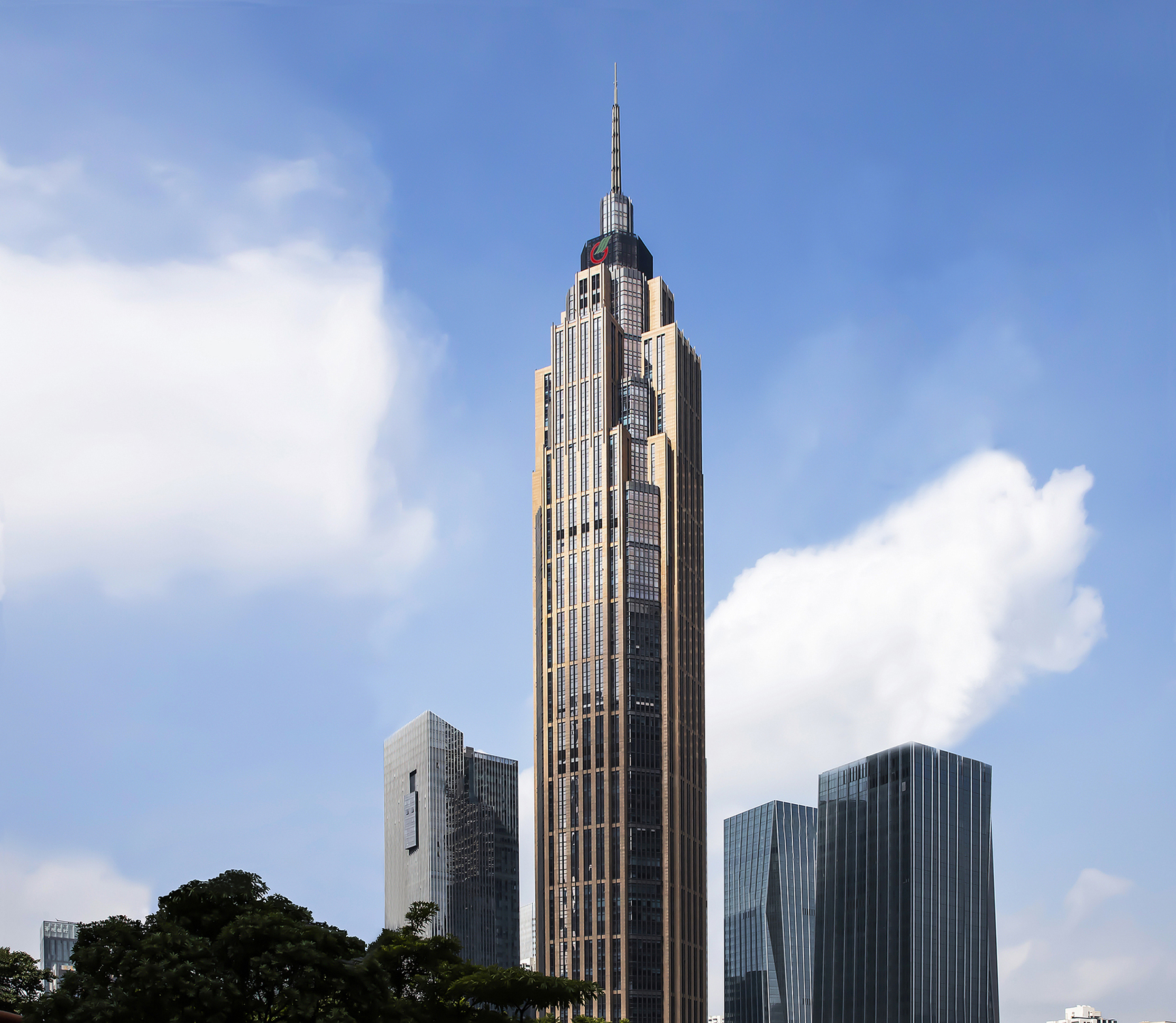
With the acquisition by Guangsheng Holding Group, a key provincial-level enterprise in Guangdong Province, the company has entered a new phase of development. It has vigorously promoted the transition from LED light sources to LED lighting fixtures, rapidly becoming one of the LED lighting companies with the most comprehensive product lines in the industry, with LED lighting products accounting for 50% of total sales.
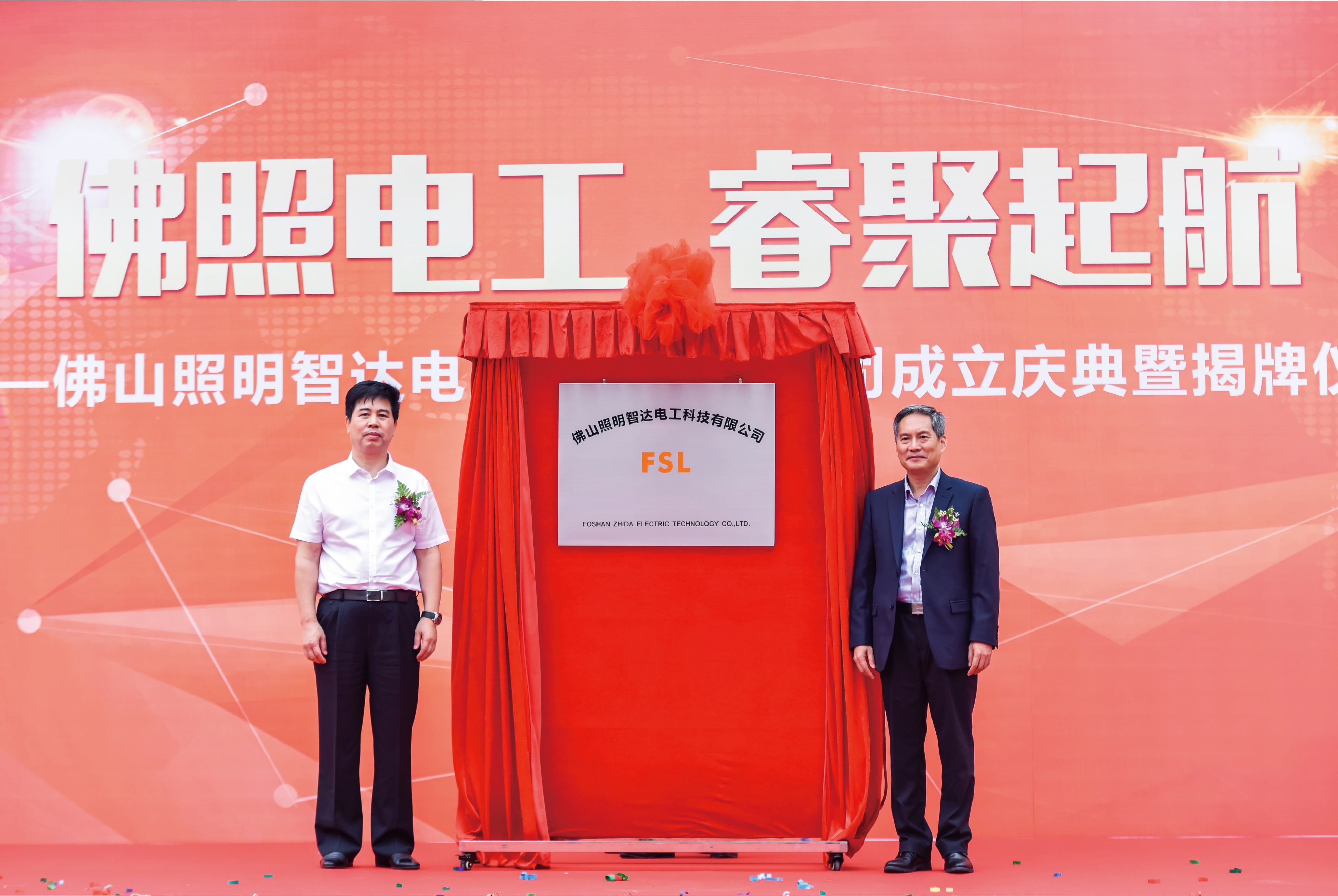
Established Foshan Lighting Zhida Electrical Technology Co., Ltd. to vigorously expand operations in the electrical engineering sector.
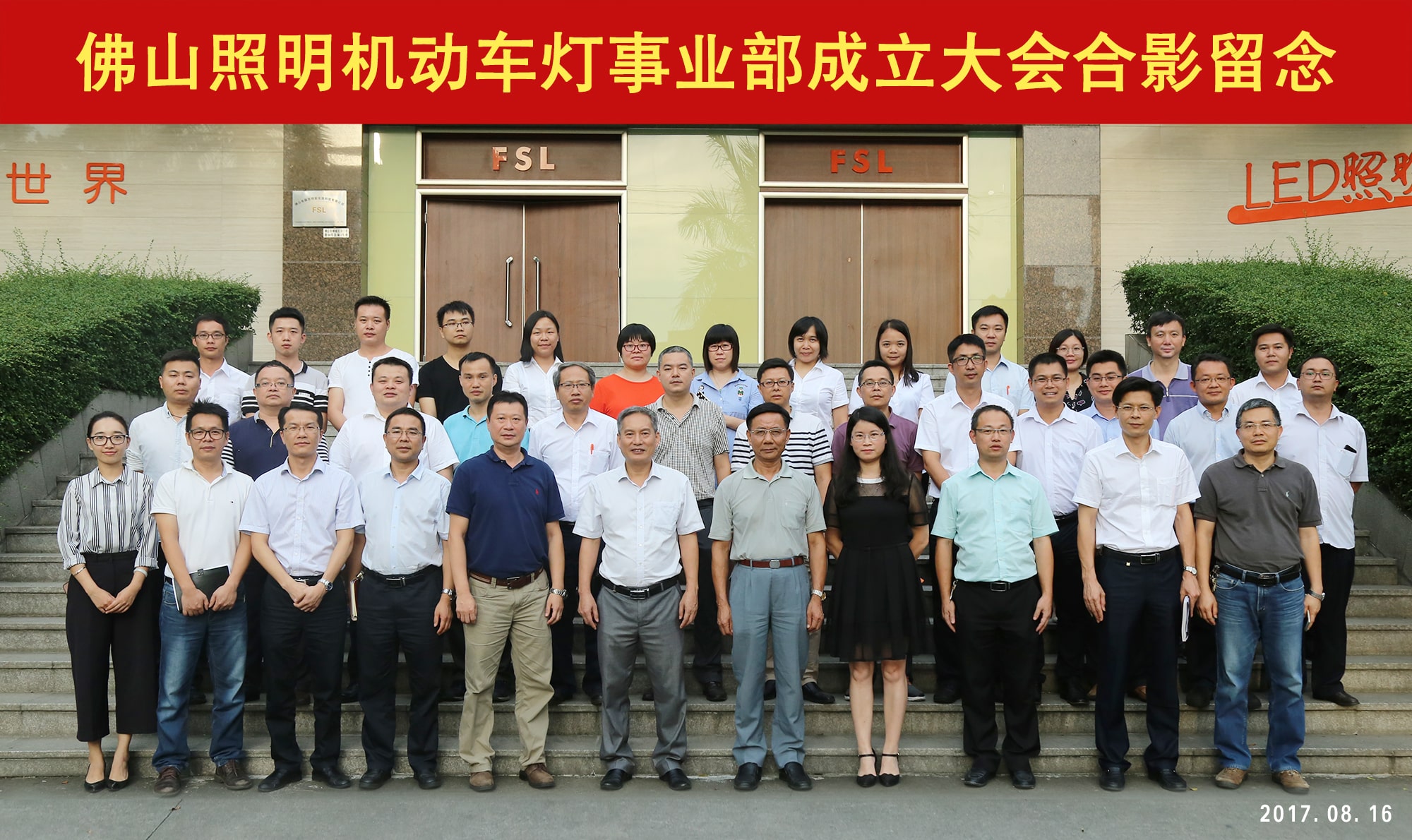
The Automotive Lighting Division was established based on the original automotive lighting source business, forming a three-pillar layout encompassing “General Lighting, Electrical Equipment, and Automotive Lighting.” That year, LED products accounted for 70% of total revenue.
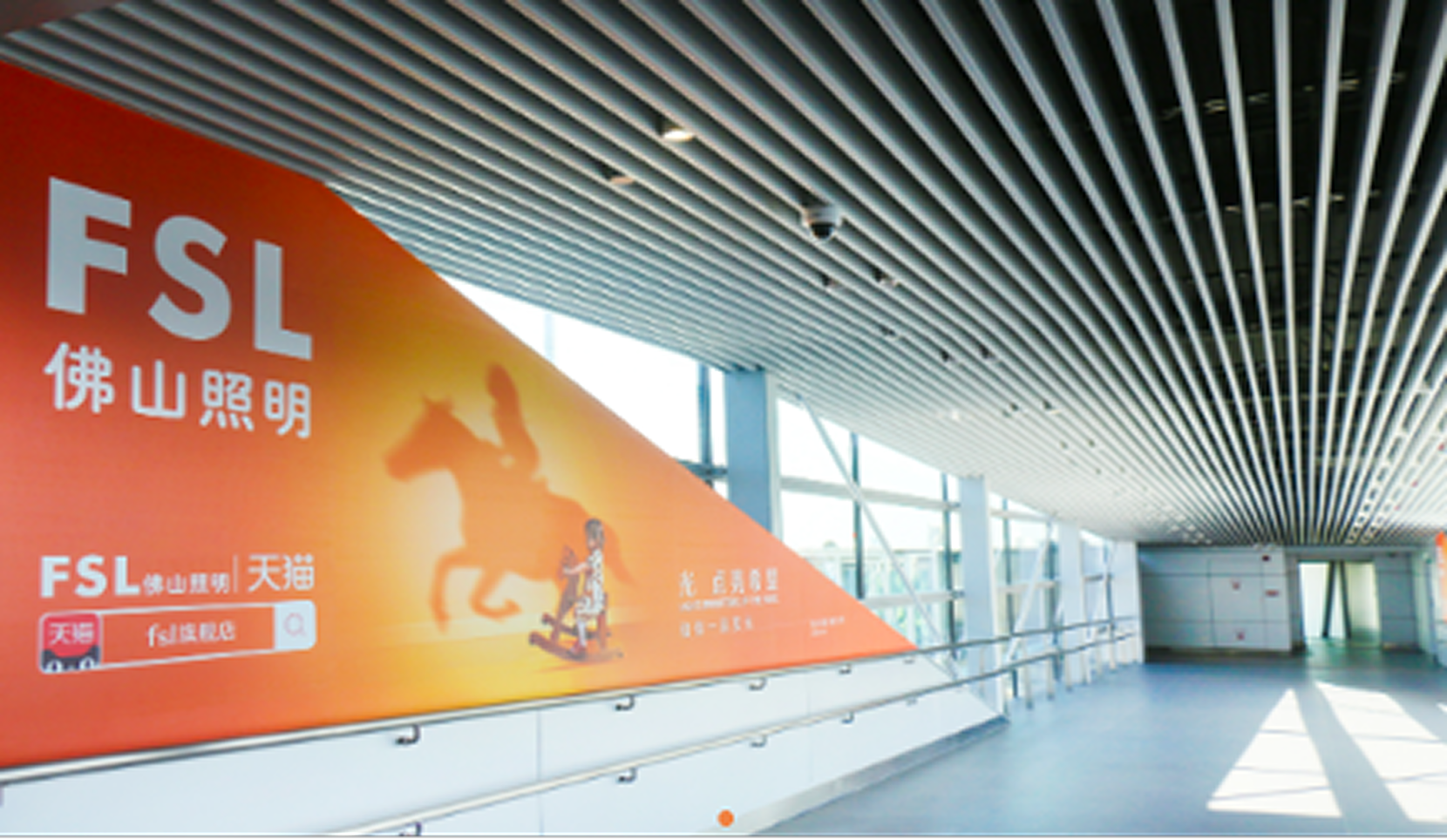
Foshan Lighting drove high-quality development through innovation, implemented smart lighting solutions, accelerated the automation upgrade of production processes, and comprehensively accelerated its brand strategy.
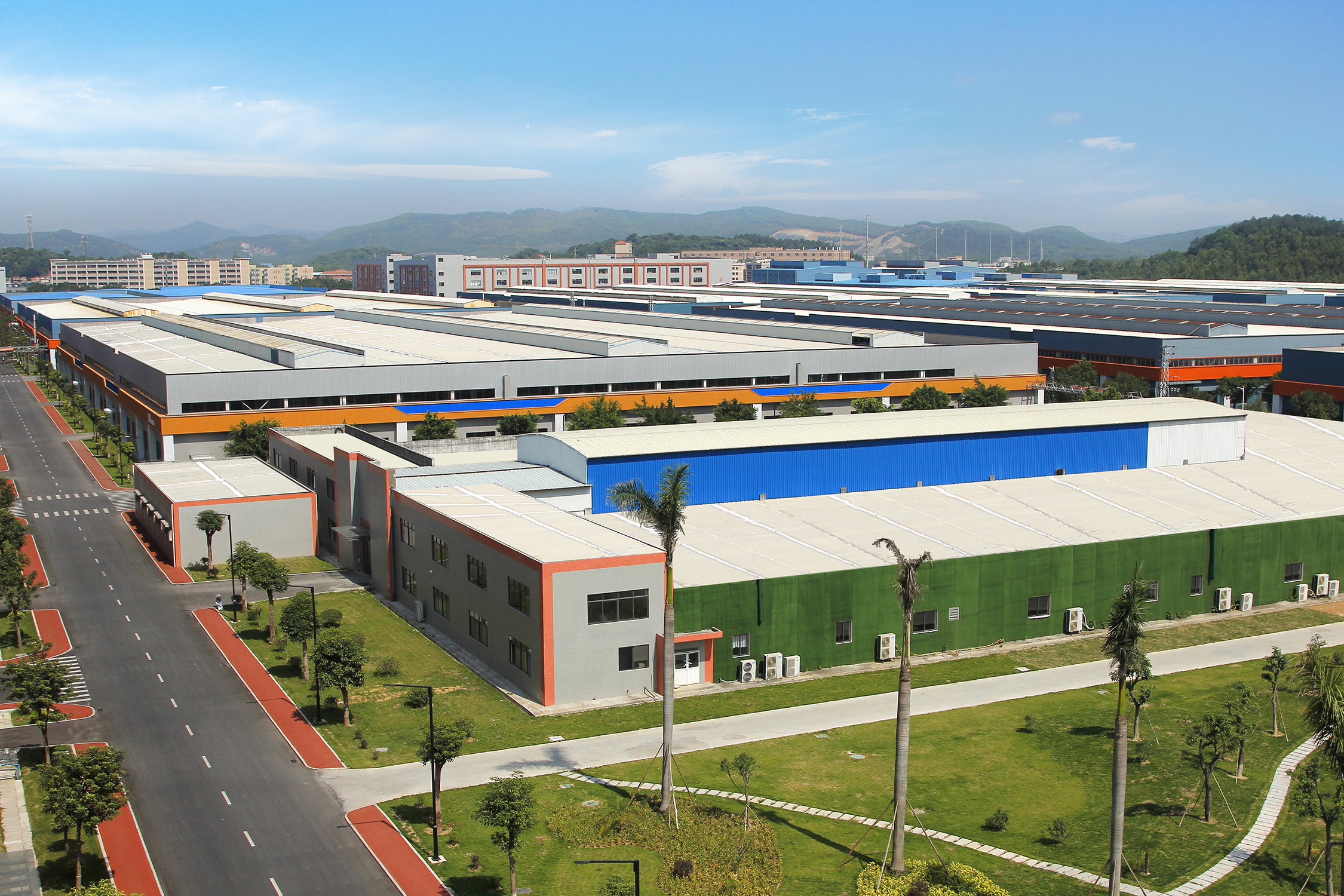
Foshan Lighting intensified its “Internet Plus” initiatives, strengthened smart connectivity, and supported the development of IoT ecosystem management for smart factories and smart cities.
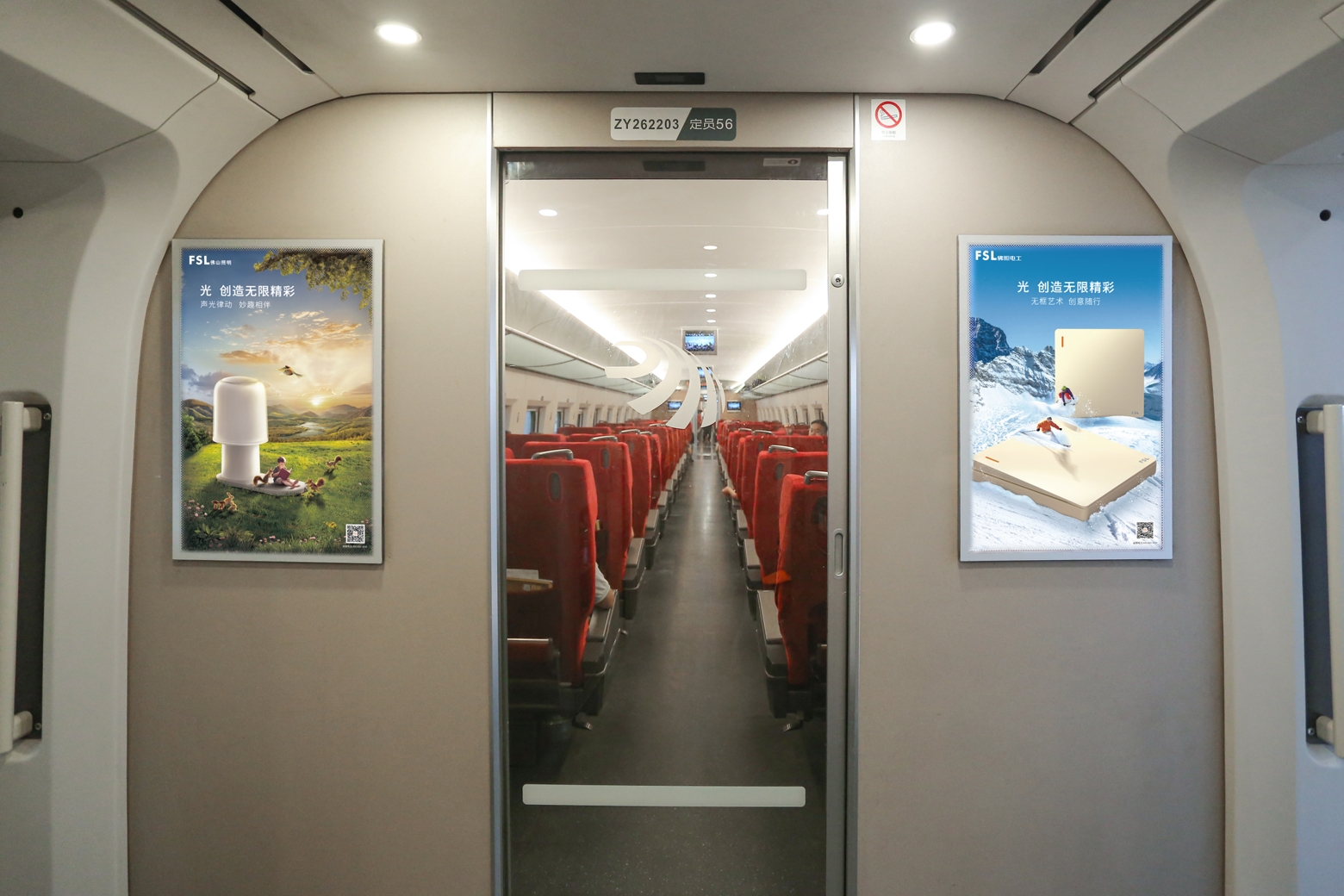
Guided by the development strategy of “stabilizing core businesses while exploring new growth areas,” the product portfolio has expanded beyond its traditional pillars of general lighting, electrical equipment, and automotive lighting into emerging sectors such as smart lighting, health-focused lighting, marine lighting, and plant/animal lighting.
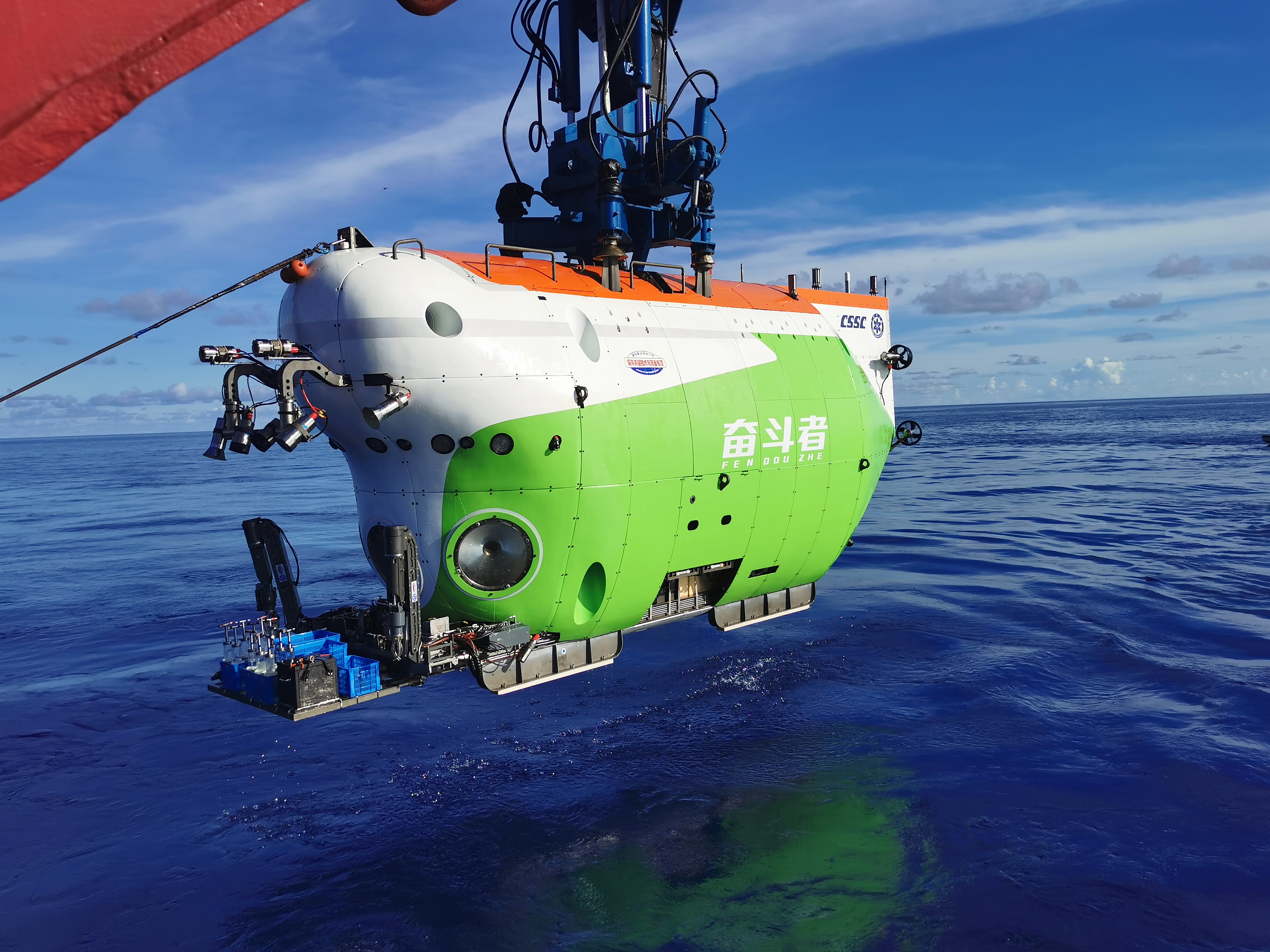
Successfully acquired Liaowang Automotive Lighting, establishing an overseas outlet for automotive lighting operations and providing robust support for rapid entry into the automotive OEM market; invested in building a marine lighting industrial base in Hainan, incubating and promoting comprehensive lighting products and solutions for all marine environments, including fish aggregation lighting, aquaculture lighting, deep-sea lighting, and marine vessel lighting.
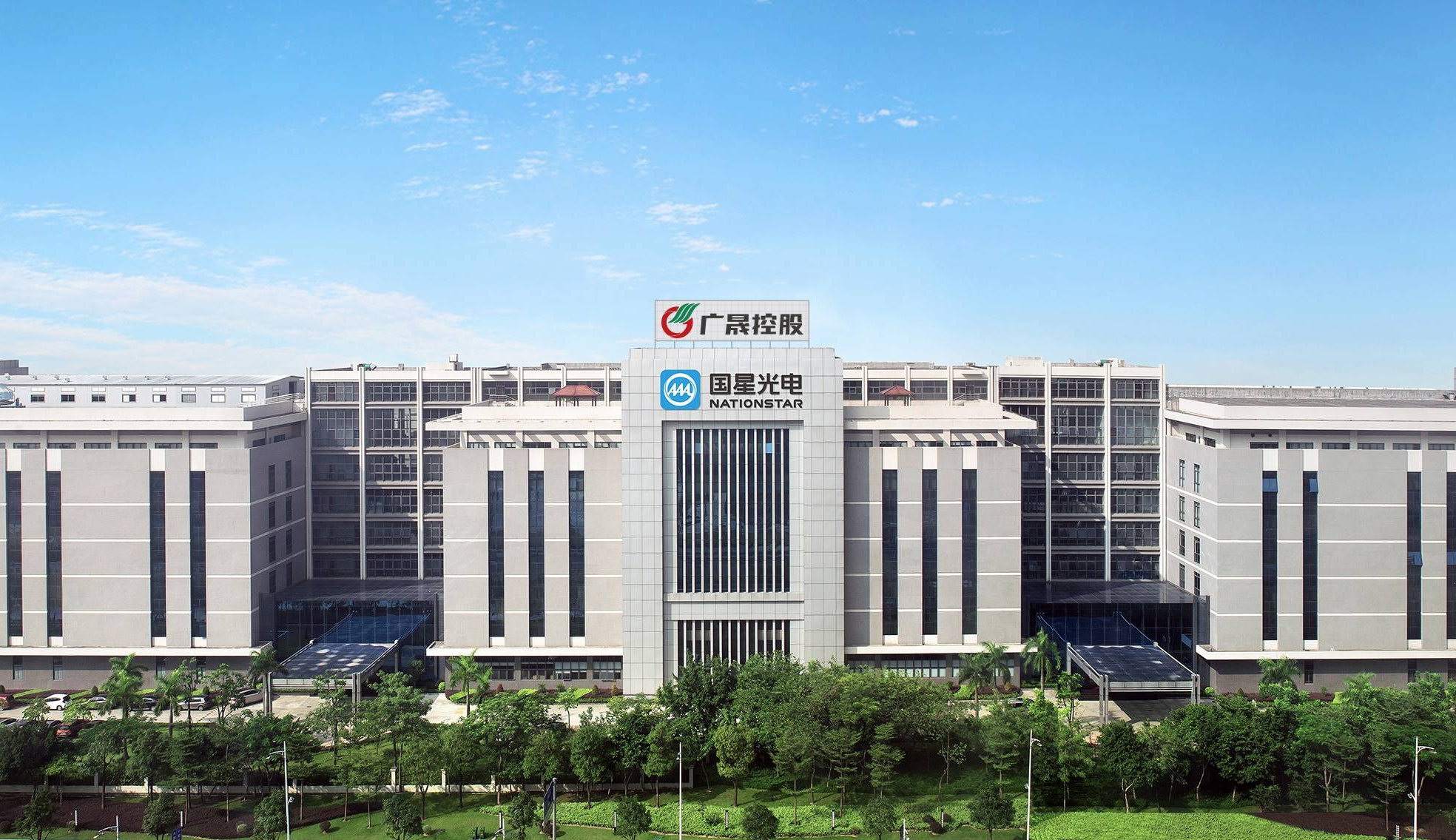
Acquired Guoxing Optoelectronics, establishing a vertically integrated LED industry chain spanning upstream and downstream segments.
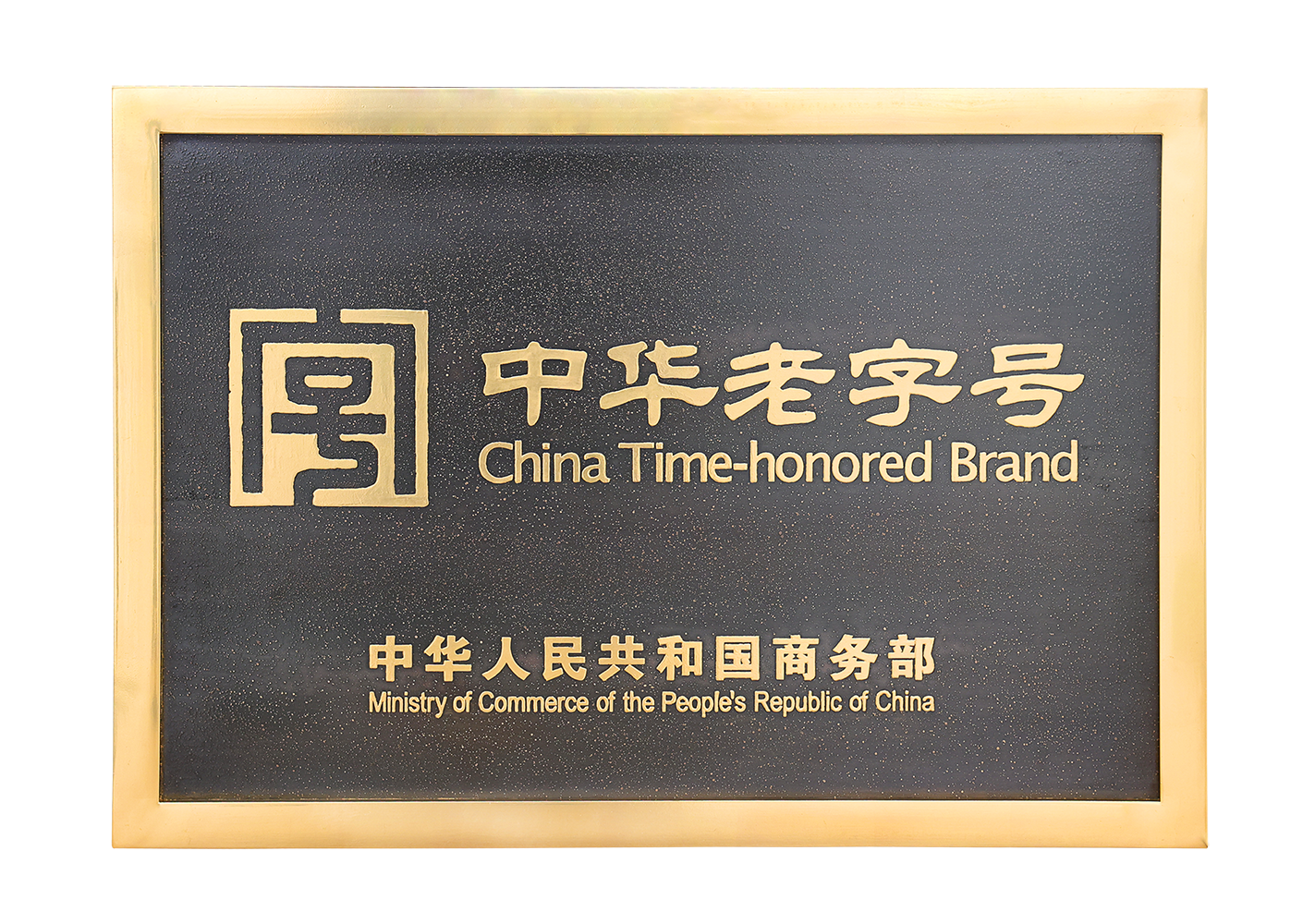
Established Fuzhao Huaguang (Maoming) Technology Co., Ltd., invested in the construction of the Liaowang Suzhou Industrial Base, acquired Zhejiang Hule Electric, increased capital to gain controlling stake in Hangxin Aviation, and continuously optimized and upgraded business operations; launched the “Technology Fuzhao” brand strategy, was recognized as a “China Time-Honored Brand,” and selected as one of the “Asia's Top 500 Brands.”

Guided by the "Pangao Plan 2.0" (Reaching New Heights Plan 2.0), we carry out lean improvements across all domains and the entire chain to continuously enhance the company's operational quality and efficiency.